
Effective Plantar Wart Removal in Bradford, ON
Tired of trying home remedies that never fully remove your plantar wart?
Professional plantar wart removal is faster, more effective, and far less frustrating than months of over-the-counter patches that don’t work.
At Holland Foot Clinic, our registered chiropodists use advanced plantar wart removal methods to target the wart, minimize discomfort, and help prevent further spread. We focus on accurate diagnosis, effective plantar wart treatment, and long-term foot health so you can walk comfortably and confidently again.
Start Your Journey Toward Wart-Free Feet.
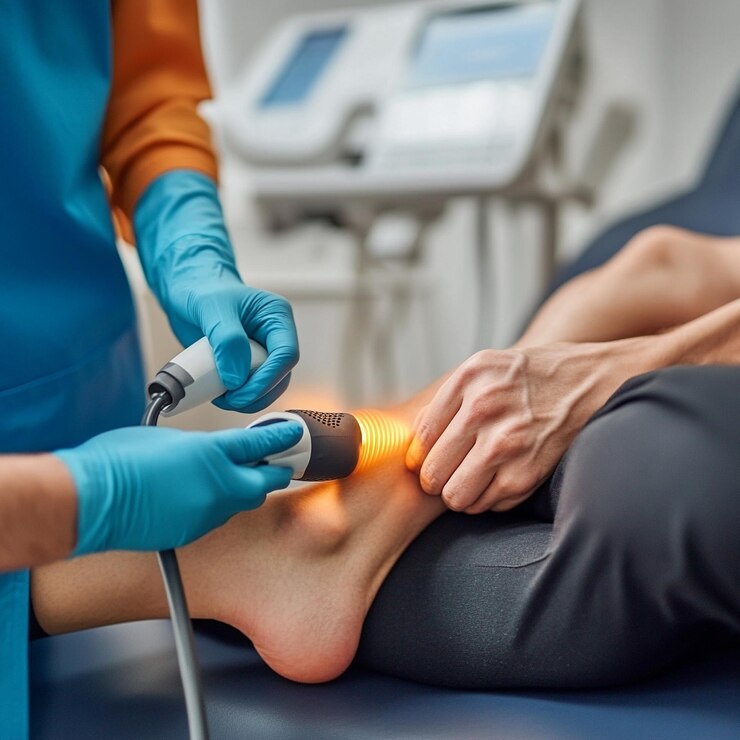
What Is a Plantar Wart?
A plantar wart is a viral skin infection caused by the human papillomavirus (HPV). The virus enters the skin through tiny cuts or weak areas on the feet and causes thickened wart tissue to develop over time.
Plantar warts commonly appear on weight-bearing areas, such as the heels, the balls of the feet, or the toes. Because pressure pushes the wart inward, it often becomes painful while walking or standing.
Many people mistake plantar warts for corns or calluses because they can look very similar. However, plantar warts are caused by a virus and require different treatment methods.
Without proper plantar wart treatment, the wart may continue growing, spread to other areas, or become increasingly painful.
Are Plantar Warts Contagious?
Yes, plantar warts are caused by HPV, a contagious virus that spreads through direct contact with contaminated surfaces or skin. You cannot catch a plantar wart simply from being near someone who has one, but shared surfaces in warm, wet environments present a real risk.
Most people who come into contact with the virus do not develop warts because their immune system clears the infection. But for some, particularly those with weak immune systems, cuts or damaged skin, or simply a less robust response to this particular HPV strain, the virus takes hold and a wart develops.
Important: Do not scratch, pick at, or attempt to cut a plantar wart yourself. This can spread the virus to surrounding skin, introduce bacterial infection, or cause the wart to multiply into a mosaic cluster that is substantially harder to treat.
Signs and Symptoms of Plantar Warts
Plantar warts often develop on pressure-bearing areas of the feet, such as the heels or balls of the feet. They can vary in size and may become painful over time, especially while walking or standing.
Common signs and symptoms include:
Why It Matters
Why Choose Holland Foot Clinic?
At Holland Foot Clinic, we focus on treating plantar warts safely, effectively, and with long-term foot health in mind. Our registered chiropodists provide evidence-based plantar wart removal treatments in a clean, welcoming, and medically supervised environment.
Registered & Experienced Chiropodists
Our licensed chiropodists have experience treating plantar warts of all sizes and severity levels using safe, professional, and clinically proven treatment methods.
Personalized Treatment Plans
Every plantar wart is different. We tailor your treatment plan based on the wart type, location, pain level, and how resistant it is to treatment.
Safe Clinical-Grade Sterilization Protocols
We follow strict hygiene and sterilization standards to provide safe treatment while reducing the risk of infection and wart spreading.
Our Treatments
Professional Plantar Wart Removal Options at Holland Foot Clinic
At Holland Foot Clinic, we offer several plantar wart treatments based on the wart’s size, depth, and resistance to previous treatment. Our chiropodist will assess your condition and recommend the most appropriate option for the best possible outcome.
1. Topical Acid Treatments
We use topical treatments such as pyrogallic acid and Canthacur to break down wart tissue and target the virus within the skin. These treatments work gradually and may require multiple applications depending on the wart’s severity.
Best for: small to moderate plantar warts, early-stage warts, and patients looking for a non-surgical option.
2. Salicylic Acid & Prescription Therapy
We may prescribe high-strength salicylic acid or immune-boosting medication to help your body fight the virus more effectively. This approach gradually removes infected tissue while supporting long-term wart clearance.
Best for: stubborn or deeper warts, multiple warts, and patients with recurring plantar warts.
Resistant Cases
3. Needling & Surgical Excision
For resistant or long-standing plantar warts, we may recommend needling or surgical excision. Needling stimulates the body’s immune response by treating the wart beneath the skin, while surgical excision removes the wart tissue directly under local anesthetic.
Best for: resistant warts, painful deep warts, mosaic warts, or cases that have not responded to conservative treatment.
What to Expect During Plantar Wart Treatment
Most patients are nervous before their first plantar wart removal appointment. Here is an honest, step-by-step account of what your visit looks like, so there are no surprises.
Wart Assessment
Our chiropodist will examine the wart, assess its size, depth, number and locations of lesions, and confirm the best treatment option based on your condition and symptoms.
Treatment Planning
We will explain the recommended plantar wart removal method, expected healing time, number of sessions, and what results you can expect.
Wart Treatment
Depending on your treatment plan, we may use topical agents, prescription or a surgical option to target the wart safely.
Aftercare Guidance
You will receive clear aftercare instructions to support healing, reduce discomfort, and help prevent the wart from spreading or returning.
Follow-Up Appointments
Some plantar warts require multiple sessions for complete removal. Follow-up visits allow us to monitor healing and continue treatment if needed.
Plantar Wart Home Remedy vs Professional Wart Removal
| Feature | Plantar Wart Home Remedy | Professional Plantar Wart Removal |
|---|---|---|
| Accurate diagnosis | Self-assessed, easy to misidentify | Assessed by a registered chiropodist |
| Treatment strength | Limited OTC strength | Clinical-grade concentration |
| Risk of spreading | Minimal with correct technique | Higher if picked or scratched |
| Effectiveness | May work for mild warts | More effective for stubborn or deep warts |
| Safe for Children | Limited and may irritate sensitive skin | Safe, monitored treatment options for children |
FAQs
Most treatments cause only mild discomfort. Some methods may create temporary tenderness after the appointment, but this usually improves quickly.
The number of treatments depends on the size, depth, and resistance of the wart. Some plantar warts improve within a few sessions, while stubborn cases may require ongoing care.
Yes. Plantar warts can spread to other parts of the foot or to other people through direct contact or shared surfaces.
You should seek professional care if the wart is painful, spreading, recurring, or not responding to home treatment.
Some mild wart cases respond to home treatments, but improper plantar wart treatment can lead to spreading, irritation, or delayed healing.
Ready To Get Rid Of Your Plantar Wart?
Book an appointment with our registered chiropodists in Bradford today. We will assess, diagnose, and recommend the most effective plantar wart removal treatment.