The best nail fungus treatment involves a combination of accurate diagnosis, appropriate medication, and consistent care to effectively clear the infection and prevent recurrence. Professional options like oral antifungal medications and topical treatments, supported by proper foot hygiene and follow-up, offer the safest and most reliable path to recovery.
Key points:
- Oral antifungal medications such as terbinafine are the fastest and most effective treatments but require medical supervision due to potential side effects.
- Topical treatments like medicated nail polishes are safer alternatives suitable for mild to moderate cases but need prolonged daily use and nail thinning for better effectiveness.
- Combination therapy of oral and topical treatments may improve cure rates and reduce recurrence.
- Home remedies can assist in mild cases but are not substitutes for professional care.
- Preventive measures and proper foot care are essential to avoid reinfection and achieve lasting results.
| Treatment Option | Description | Pros | Cons | Price Range |
| Oral Antifungal Medications | Prescription drugs like terbinafine and itraconazole | Fast-acting, high cure rates | Potential liver toxicity, drug interactions, requires monitoring | Moderate to High |
| Topical Treatments | Medicated nail polishes and creams (e.g., ciclopirox) | Safer, fewer systemic side effects | Long treatment duration, less effective for severe cases | Moderate |
| Combination Therapy | Use of oral and topical treatments together | Improved cure rates, reduced recurrence | Requires careful medical supervision | Moderate to High |
| Minor Surgery | Removal of infected nail tissue | Enhances treatment effectiveness | Invasive, requires professional care | Variable |
| Home Remedies | Natural products like tea tree oil, baking soda, Vicks VapoRub | Accessible, may help mild cases | Limited clinical evidence, not a replacement for medical treatment | Low |
Best Nail Fungus Treatment
If you’re looking for the best nail fungus treatment, understanding the available professional options and their effectiveness is crucial. Nail fungus, or onychomycosis, affects many people and can lead to discomfort and nail damage if left untreated. At Holland Foot Clinic in Bradford, Ontario, we provide expert guidance and personalized care to help you overcome this persistent condition safely and effectively.
Key Takeaways
- Nail fungus is a common fungal infection that causes nail discoloration, thickening, and brittleness.
- Oral antifungal medications are often the fastest and most effective treatments but require medical supervision.
- Topical treatments like medicated nail polishes offer safer alternatives but need prolonged daily use.
- Minor surgery may be recommended for resistant infections to improve treatment outcomes.
- Home remedies may assist mild cases but do not replace professional care.
- Prevention and proper foot care are essential to avoid recurrence.
Understanding Nail Fungus Causes and Symptoms
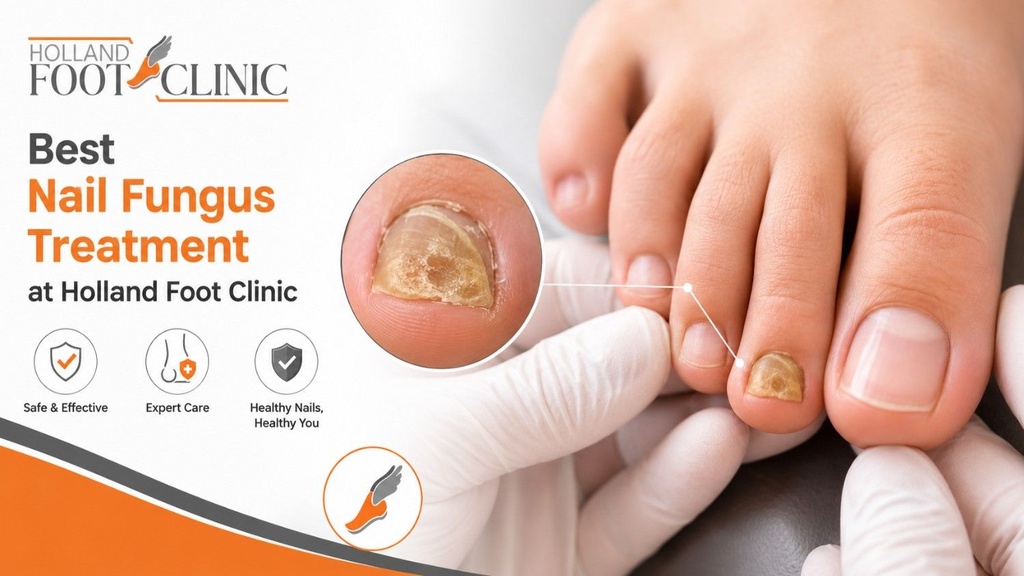
Nail fungus, medically known as onychomycosis, is a fungal infection primarily caused by dermatophytes and yeasts. It develops slowly and manifests as yellow or white discoloration, nail thickening, brittleness, and sometimes pain or foul odor. These symptoms can worsen over time, leading to nail crumbling or detachment.
Risk factors include exposure to damp environments like public showers or pools, athlete’s foot, use of tight or damp footwear, and underlying conditions such as diabetes. Early recognition is important to seek effective treatment and prevent spread.
Onychomycosis affects approximately 50% of individuals over 70 years old, highlighting its prevalence among older adults, 2024-01-01).
How Fungi Infect Nails
Fungi thrive in warm, moist environments and can invade the nail bed or nail plate through small cracks or separations. The infection often starts at the edge of the nail and gradually spreads inward. The slow growth rate of nails means that symptoms may take months to become noticeable, which can delay diagnosis and treatment.
Differentiating Nail Fungus from Other Conditions
Nail fungus can be mistaken for other nail disorders such as psoriasis, eczema, or bacterial infections. Accurate diagnosis often requires a clinical examination and laboratory analysis of nail clippings or debris to identify the causative organism. This step is crucial to ensure appropriate treatment and avoid ineffective therapies.
Best Nail Fungus Treatment Professional Options and Effectiveness
The best nail fungus treatment depends on accurate diagnosis and the infection’s severity. Oral antifungal medications like terbinafine and itraconazole are generally the fastest and most effective options. They work by promoting healthy new nail growth, typically requiring 6 to 12 weeks of daily use, with full results visible after several months.
Topical treatments include medicated nail polishes such as ciclopirox and antifungal creams like efinaconazole and tavaborole. These treatments are safer with fewer systemic side effects but require daily application for up to a year. Effectiveness improves when nails are thinned prior to application to allow better medication penetration.
In some cases, minor surgery to remove the infected nail may be advised to enhance treatment effectiveness and speed recovery. This approach is part of the comprehensive care we offer at Holland Foot Clinic, combining professional assessment, customized treatment, and follow-up.
Proper adherence to treatment duration and protocols is vital to success. For additional support, we provide custom foot orthotics and encourage you to schedule a consultation with our specialists.
Oral vs. Topical Treatment: Choosing the Right Option
Oral antifungal medications are typically preferred for moderate to severe infections due to their higher cure rates. However, they carry risks such as liver toxicity and drug interactions, making them unsuitable for some patients. Topical treatments, while safer, are more effective in mild to moderate cases or when oral medications are contraindicated.
Combination Therapy
Recent studies suggest that combining oral and topical treatments may improve cure rates and reduce recurrence. For example, using oral terbinafine alongside a medicated nail lacquer can target the fungus from multiple angles. Such combination therapies require careful monitoring by healthcare professionals.
Oral Antifungal Medications Fast-Acting Treatments
Oral antifungal medications like terbinafine (Lamisil) and itraconazole are often the fastest way to combat nail fungus. They work internally to halt fungal growth and encourage the development of new, healthy nails over a treatment course lasting from six to twelve weeks.
Though effective, these medications require medical supervision due to potential side effects such as liver toxicity, rash, and possible drug interactions.
At Holland Foot Clinic, we carefully evaluate each patient’s health status before prescribing oral antifungals and provide ongoing monitoring to minimize risks.
Monitoring and Safety Considerations
Before starting oral antifungal therapy, liver function tests and a thorough medical history are essential. Patients with liver disease, heart failure, or those taking medications that interact with antifungals require alternative approaches. During treatment, periodic blood tests help detect adverse effects early.
Duration and Expected Outcomes
While the medication course lasts 6 to 12 weeks, visible improvement may take several months due to slow nail growth. Patients should be advised to maintain treatment adherence and attend follow-up appointments to assess progress.
Topical Antifungal Treatments FDA-Approved Options
Topical antifungal treatments offer a safer alternative with fewer systemic effects. Medicated nail polishes like ciclopirox 8% and creams such as efinaconazole 10% and tavaborole require daily application for extended periods, often up to one year. Their success improves when the nail is thinned beforehand to allow deeper medication penetration.
We offer professional clinical pedicure services designed to prepare nails for topical treatment and support overall nail health.
Nail Thinning Techniques
Professional nail debridement or thinning removes thickened, damaged nail layers, enhancing topical medication absorption. This process can be done using mechanical tools or chemical agents such as urea creams. Regular nail care during treatment supports better outcomes.
Patient Compliance and Treatment Duration
Due to the lengthy treatment period, patient motivation and education are critical. Clear instructions on application methods, hygiene, and avoiding nail polish or artificial nails during therapy improve adherence and effectiveness.
Home Remedies for Nail Fungus What Works and What Doesn’t
Some home remedies such as tea tree oil, eucalyptus oil, baking soda, and Vicks VapoRub have demonstrated antifungal properties in small studies. For instance, baking soda prevented fungal growth in 79% of specimens tested.
However, remedies like vinegar and hydrogen peroxide lack clinical evidence for effectiveness. Home treatments may benefit mild cases but are not substitutes for professional medical care, especially for persistent or severe infections.
Evidence-Based Home Care Options
- Tea Tree Oil: Contains terpinen-4-ol, exhibiting antifungal activity comparable to some medications in laboratory studies. Applied topically, it may reduce fungal load but requires consistent use over months.
- Eucalyptus Oil: Has antifungal and anti-inflammatory properties, potentially aiding symptom relief.
- Baking Soda: Creates an alkaline environment unfavorable to fungal growth; used as a foot soak or topical powder.
- Vicks VapoRub: Contains camphor and eucalyptus oil; anecdotal reports and small studies suggest some efficacy.
Limitations and Risks
Home remedies lack large-scale clinical trials and standardized dosing, making their reliability uncertain. They should not delay seeking professional diagnosis and treatment, especially in diabetic or immunocompromised patients.
Treatment Challenges and Prevention Achieving Lasting Results
Treating nail fungus requires patience since nails grow slowly and infections can be persistent or recurrent. Recurrence rates are high, complicating management.
Proper nail care, hygiene, and avoiding risk factors like damp footwear help reduce reinfection. Patient education and follow-up care significantly improve treatment adherence and outcomes.
For resistant infections, minor surgical procedures to remove infected nail tissue may be necessary. Our clinic provides these minor surgery services with a focus on patient comfort and safety.
Preventive Measures
- Keep feet dry and clean; change socks regularly.
- Use antifungal powders or sprays if prone to infections.
- Avoid walking barefoot in communal areas.
- Choose breathable footwear and avoid tight shoes.
- Regularly inspect feet and nails for early signs of infection.
Managing Recurrence
Due to the high chance of reinfection, ongoing preventive care is essential. Patients should be counseled on lifestyle modifications and encouraged to seek prompt treatment at the first sign of recurrence.
Professional Foot Care Services at Holland Foot Clinic
At Holland Foot Clinic in Bradford, Ontario, we specialize in medical foot care tailored to your needs. Our registered chiropody and podiatry services include thorough assessments, personalized treatment plans for nail fungus, minor surgical interventions when needed, and orthotic solutions to support foot health.
Our patient-first philosophy ensures you receive safe, effective care with clear guidance throughout your treatment journey. We invite you to learn more about Holland Foot Clinic or contact us to book an appointment.
Comprehensive Assessment
Our team conducts detailed evaluations including medical history, physical examination, and, if necessary, laboratory testing to confirm diagnosis and tailor treatment.
Customized Treatment Plans
We develop individualized treatment protocols based on infection severity, patient health, and preferences, combining oral, topical, and procedural options as appropriate.
Follow-Up and Support
Regular monitoring ensures treatment effectiveness and safety. We provide education on foot hygiene, nail care, and preventive strategies to maximize long-term success.
Frequently Asked Questions
What is the most effective nail fungal treatment?
The most effective nail fungal treatments are oral antifungal medications like terbinafine and itraconazole, which promote healthy nail growth over several months. These require medical supervision due to potential side effects. Topical treatments and minor surgery may be used in combination for better outcomes.
What kills toenail fungus the fastest?
Oral antifungal medications typically kill toenail fungus fastest by targeting the infection from within and encouraging new nail growth over 6 to 12 weeks. However, full results may take several months, and treatment requires monitoring for side effects.
What is the number one product for nail fungus?
There is no single ‘number one’ product for nail fungus. FDA-approved oral medications like terbinafine are highly effective, while topical treatments like ciclopirox and efinaconazole offer alternatives. Treatment choice depends on severity, patient health, and clinical advice.
Why does Vicks VapoRub work on nail fungus?
Vicks VapoRub contains ingredients like camphor and eucalyptus oil that have shown antifungal properties in small studies. While some patients report improvement, it is not medically approved for nail fungus treatment and should not replace professional therapies.
How to 100% get rid of toenail fungus?
Completely eradicating toenail fungus requires accurate diagnosis, consistent treatment adherence, and sometimes combination therapies including oral and topical antifungals. Patient education on prevention and follow-up care is essential to reduce recurrence.
With the right treatment and care, you can regain healthy, comfortable feet. At Holland Foot Clinic, we are here to guide and support you every step of the way.
For those interested in over-the-counter options and when to seek professional help, our detailed guide on best over-the-counter anti-fungal nail treatment: what works and when to see a podiatrist offers valuable insights.
Understanding the timeline for treatment success is important; learn more in our post how long does toenail fungus treatment take.
For maintaining nail and foot health during and after treatment, consider our best medical pedicure Ontario service to support your recovery and prevent recurrence.